
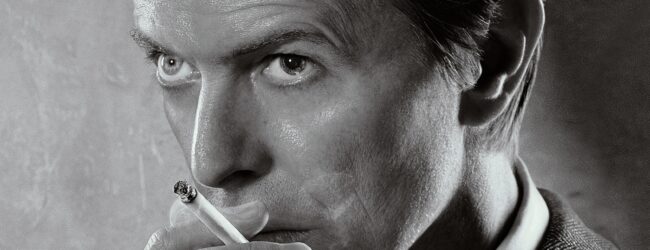
In the abundant landscape of contemporary photographers, few trajectories appear as unexpected as that of Markus Klinko. Before becoming one of the most sought-after portraitists on the international scene, Klinko was first a virtuoso musician, trained in classical harp within the purest European tradition. This first artistic language—demanding, rigorous, almost monastic—deeply shaped the way he sees the world. In his images, composition carries the precision of a musical score: balance of masses, tension of lines, and a meticulously orchestrated use of light. His work will be exhibited from 26 March, 2026 at Eden House of Art, in the heart of London.
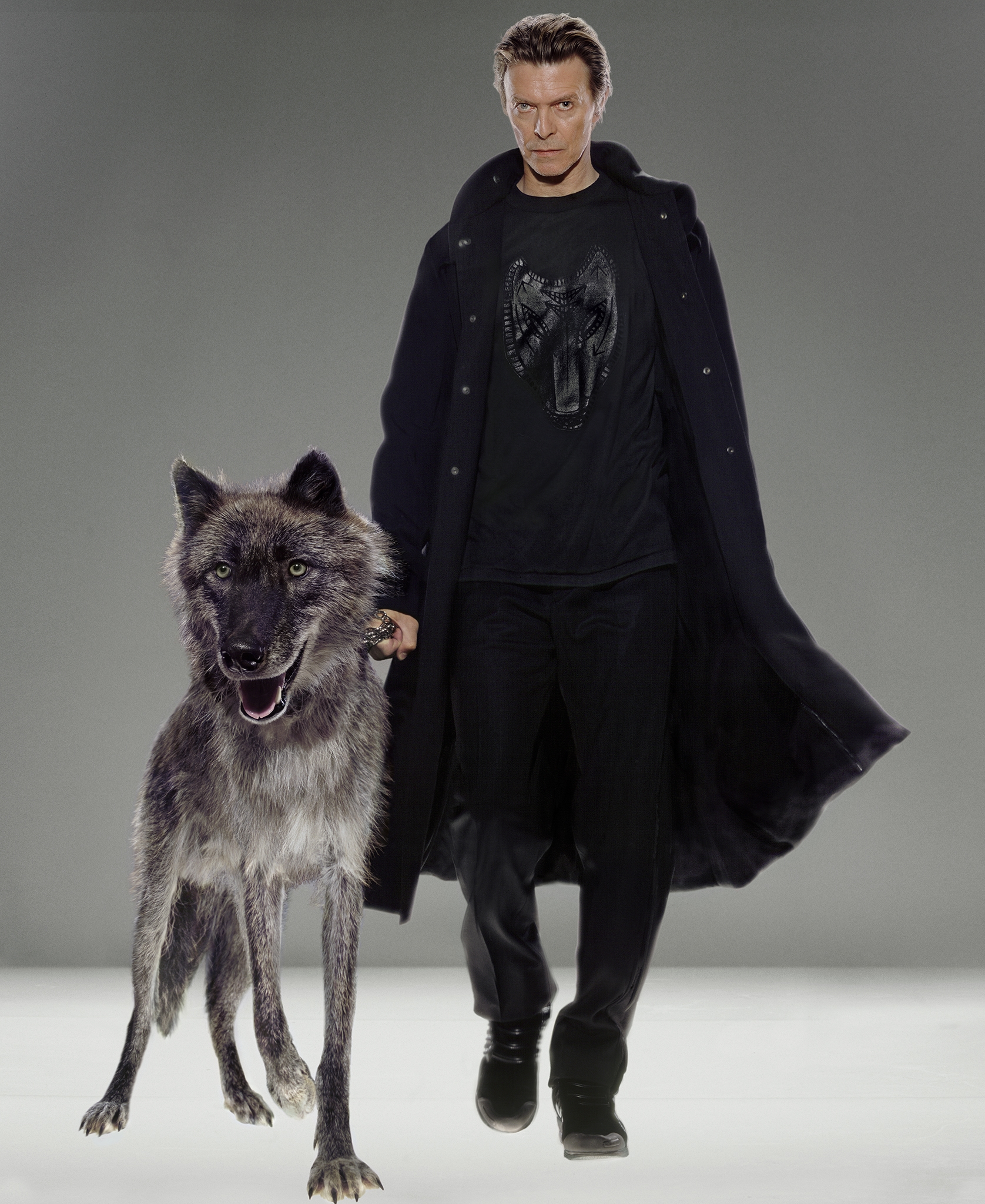
It was, however, an accident that triggered the turning point. Forced to abandon music, Markus Klinko turned to photography with the intensity of a second birth. This disciplinary shift is far from anecdotal; it marks instead the emergence of an immediately recognizable gaze, in which portraiture is conceived less as documentation than as the staging of the icon. Very quickly, his visual signature established itself: a sophisticated universe, shaped by an almost architectural light, where technical precision serves a dramaturgy of the image.
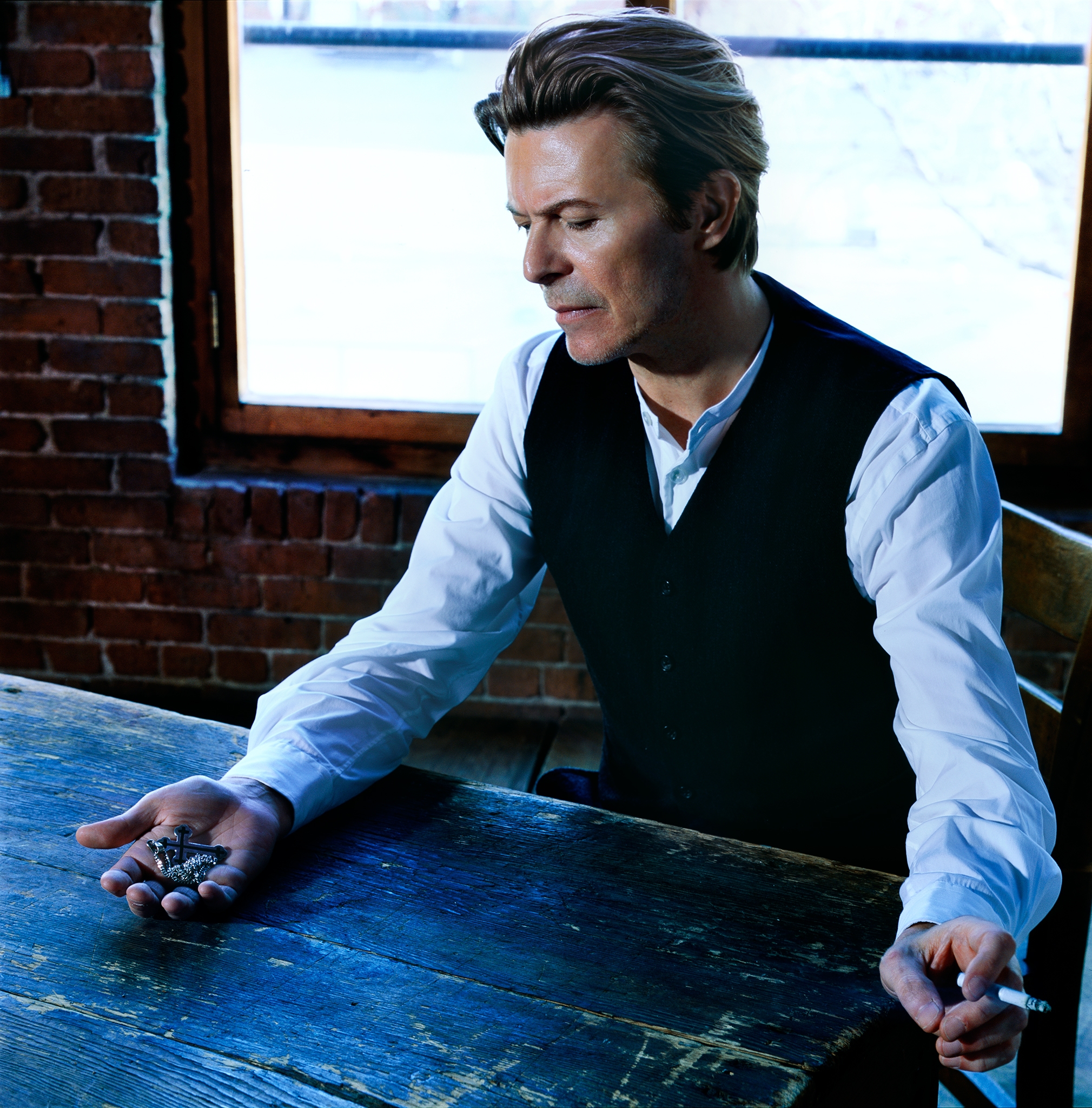
“With David Bowie, I understood that a portrait could go beyond photography: it could become an icon.” — M.K.
Within this aesthetic construction, the encounter with David Bowie represents a pivotal moment. When Bowie entrusted the photographer with the cover of his album Heathen in the early 2000s, something crystallized. The image—Bowie, almost spectral, bathed in a white light that seems to dissolve the contours of reality—immediately imposed itself as an icon. More than a commission, this collaboration acted as a revelation: Bowie recognized in Klinko a sensitivity capable of capturing what defines the singularity of a presence. From that moment on, the photographer’s career entered another dimension.
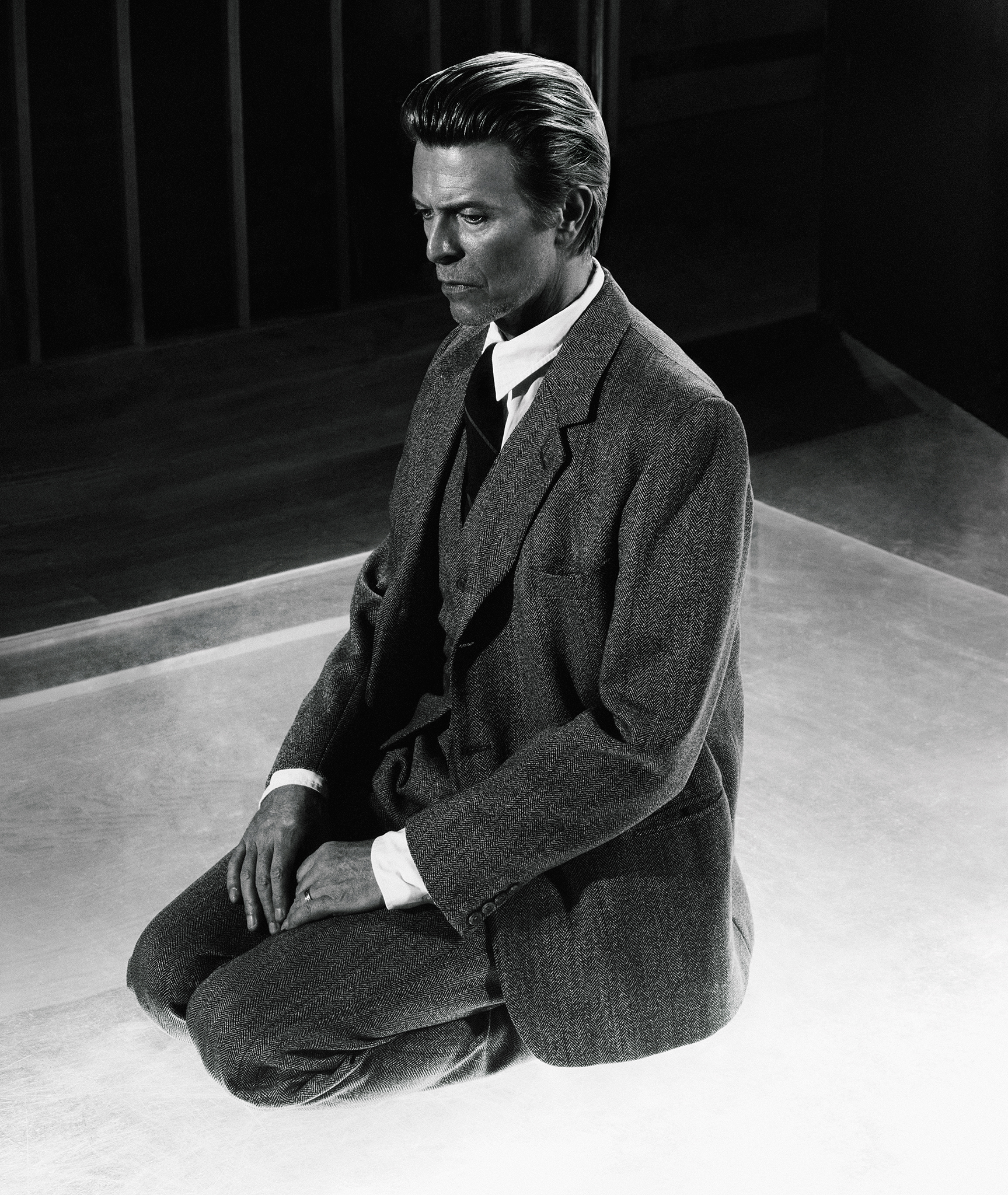
The photographer Markus Klinko does not shoot stars to document their notoriety. He transforms them into almost mythological figures, the artist pictured in front of his portraits of David Bowie.
Celebrities thus become the raw material of a singular visual imagination. Yet Markus Klinko does not photograph stars to document their fame. He transforms them into near-mythological figures. In his images, glamour is never merely decorative; it functions as an aesthetic device that magnifies the very construction of celebrity. The artist appears fully aware that our era produces its icons in much the same way that earlier civilizations erected their deities. His portraits therefore operate as contemporary altars, where the real individual is transformed into an absolute image.
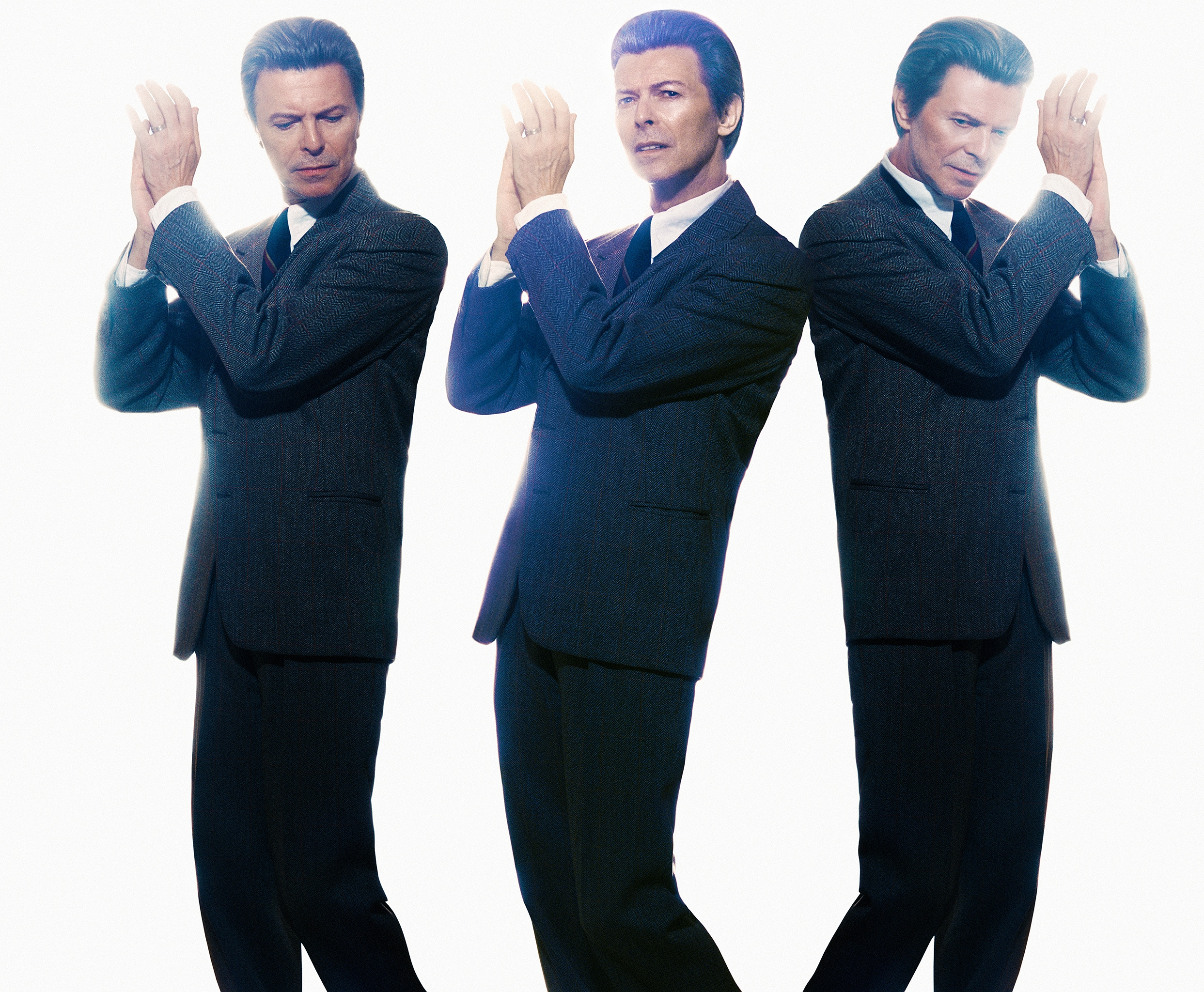
Markus Klinko produces a controlled form of photography.
What stands out in his work is the constant tension between hyper-control and emotional intensity. The compositions are often highly constructed, almost cinematic, yet they allow something more fragile to emerge: a gaze, a distance, an inner vibration. Perhaps this is the legacy of music—this ability to organize structure while allowing emotion to surface.
In a world saturated with instantaneous images, the photographer asserts an aesthetic of fabrication. His photographs do not claim to capture reality in its spontaneity; they elevate it toward a form of hyperreality, where glamour, light, and theatricality become the tools of a true visual writing. It is precisely in this space, between deliberate artifice and iconic power, that his work finds its singularity.
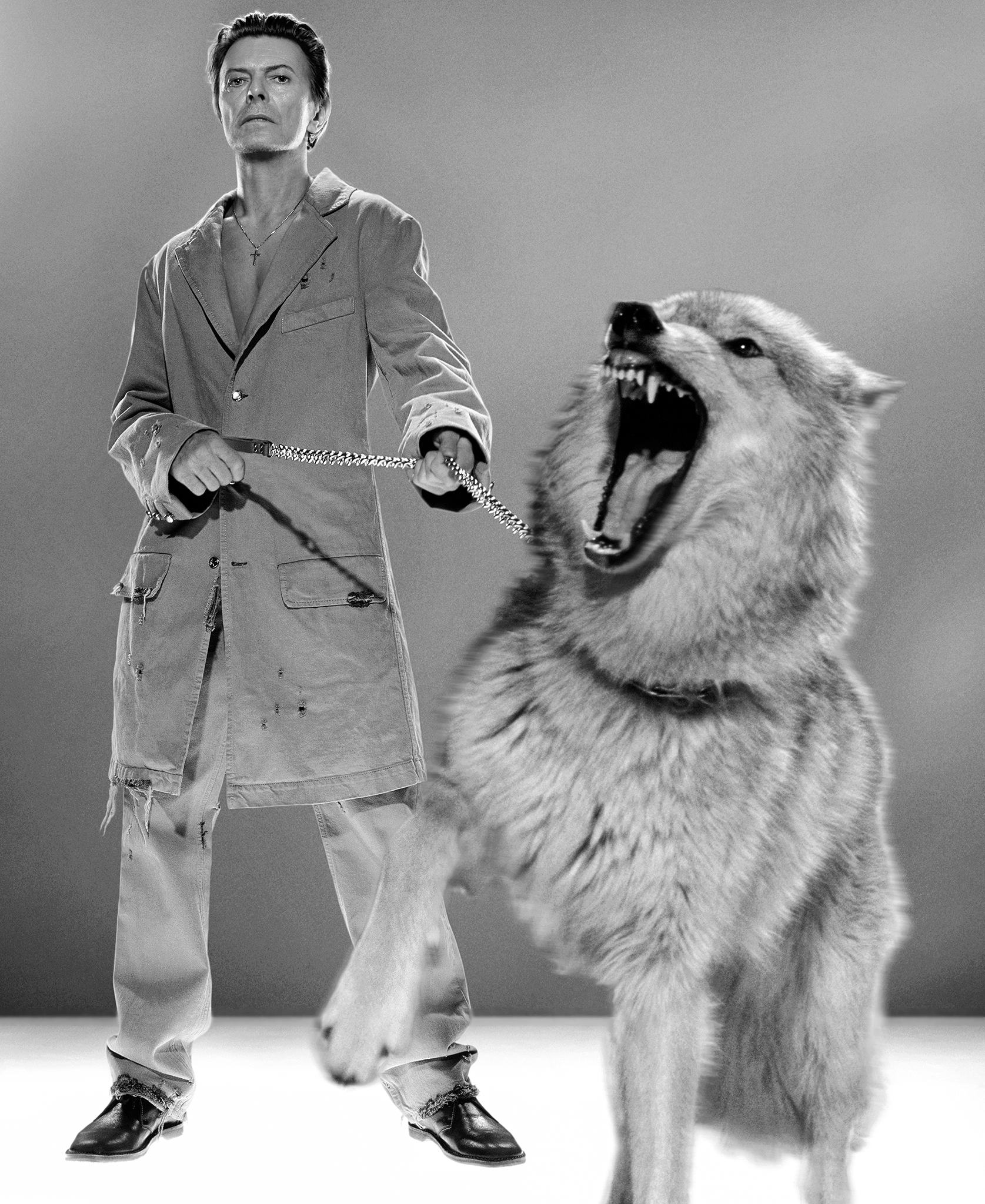
The compositions are often highly constructed, almost cinematic — Janet Jackson.
This singular vision will be presented in London from 26 March, 2026, at Eden House of Art, which will dedicate an exhibition to the photographer. The event will offer an opportunity to rediscover the breadth of a body of work too often reduced to its pop dimension, while it in fact constitutes a far more subtle reflection on the construction of images and the power of contemporary icons. Through these portraits of almost sculptural precision, Markus Klinko reminds us that photography can still produce that rare miracle: transforming a familiar face into an apparition.
EDEN House of Art London — 103 New Bond Street, London W1S 1ST
All images © Markus Klinko.
 The Man Who Fell to Earth 50th Anniversary 4K UHD Box S...
September 15th, 2026
The Man Who Fell to Earth 50th Anniversary 4K UHD Box S...
September 15th, 2026 DAVID BOWIE – THE SHEL TALMY RECORDINGS, RELEASED...
July 15th, 2026
DAVID BOWIE – THE SHEL TALMY RECORDINGS, RELEASED...
July 15th, 2026 New book ‘Changes: The Songs of David Bowie 1964-...
July 7th, 2026
New book ‘Changes: The Songs of David Bowie 1964-...
July 7th, 2026 New book ‘DAVID BOWIE: MUSIC LOVER’ The Inside Stor...
July 5th, 2026
New book ‘DAVID BOWIE: MUSIC LOVER’ The Inside Stor...
July 5th, 2026 David Bowie’s V&A archive to go on tour across t...
July 1st, 2026
David Bowie’s V&A archive to go on tour across t...
July 1st, 2026 David Bowie: You’re Not Alone opens in Manchester...
June 16th, 2026
David Bowie: You’re Not Alone opens in Manchester...
June 16th, 2026 Photographing David Bowie – Gavin Evans on ‘The...
June 14th, 2026
Photographing David Bowie – Gavin Evans on ‘The...
June 14th, 2026 Markus Klinko : Dialogue Exhibition, Paris from 11th Ju...
June 9th, 2026
Markus Klinko : Dialogue Exhibition, Paris from 11th Ju...
June 9th, 2026 David Bowie’s live band from Glastonbury 2000 to reun...
April 9th, 2026
David Bowie’s live band from Glastonbury 2000 to reun...
April 9th, 2026 New Markus Klinko Exhibition at Eden House of Art, Lond...
March 24th, 2026
New Markus Klinko Exhibition at Eden House of Art, Lond...
March 24th, 2026 David Bowie – China Girl (TFI Friday 1999, previo...
March 7th, 2026
David Bowie – China Girl (TFI Friday 1999, previo...
March 7th, 2026 Exhibition & Listening Party for David Bowie’...
February 24th, 2026 New immersive David Bowie show to open at London’...
February 11th, 2026
Exhibition & Listening Party for David Bowie’...
February 24th, 2026 New immersive David Bowie show to open at London’...
February 11th, 2026 New Markus Klinko exhibition open in Paris, featuring s...
February 11th, 2026
New Markus Klinko exhibition open in Paris, featuring s...
February 11th, 2026 Tony Visconti & Woody Woodmansey Announce Holy Hol...
February 11th, 2026
Tony Visconti & Woody Woodmansey Announce Holy Hol...
February 11th, 2026 2 David Bowie Releases for Record Store Day 2026
January 30th, 2026
2 David Bowie Releases for Record Store Day 2026
January 30th, 2026 DAVID BOWIE STATION TO STATION 50th ANNIVERSARY HALF-SP...
November 21st, 2025
DAVID BOWIE STATION TO STATION 50th ANNIVERSARY HALF-SP...
November 21st, 2025 The Original Aladdin Sane Artwork Achieves Over £380,0...
November 5th, 2025
The Original Aladdin Sane Artwork Achieves Over £380,0...
November 5th, 2025 The Sound And Vision of David Bowie – A Celebrati...
October 20th, 2025
The Sound And Vision of David Bowie – A Celebrati...
October 20th, 2025 Labyrinth In Concert – 40th Anniversary UK Tour Dates...
October 15th, 2025
Labyrinth In Concert – 40th Anniversary UK Tour Dates...
October 15th, 2025 New BBC documentary on David Bowie’s Berlin years is ...
October 1st, 2025
New BBC documentary on David Bowie’s Berlin years is ...
October 1st, 2025 David Bowie’s Aladdin Sane could become most expensiv...
September 23rd, 2025
David Bowie’s Aladdin Sane could become most expensiv...
September 23rd, 2025 Video Tour of the David Bowie Centre at V&A East
September 10th, 2025
Video Tour of the David Bowie Centre at V&A East
September 10th, 2025 David Bowie’s secret final project discovered locked ...
September 5th, 2025
David Bowie’s secret final project discovered locked ...
September 5th, 2025![David Bowie – Bring Me The Disco King (Loner Mix) [Official Visualiser]](https://www.davidbowienews.com/wp-content/uploads/2025/09/IMG_4205-60x54.jpeg) David Bowie – Bring Me The Disco King (Loner Mix)...
September 5th, 2025
David Bowie – Bring Me The Disco King (Loner Mix)...
September 5th, 2025 David Bowie – Everyone Says ‘Hi’ (Off...
September 4th, 2025
David Bowie – Everyone Says ‘Hi’ (Off...
September 4th, 2025 David Bowie – Waterloo Sunset (Official Visualise...
August 16th, 2025
David Bowie – Waterloo Sunset (Official Visualise...
August 16th, 2025 David Bowie – Slow Burn (Official HD Music Video)...
July 31st, 2025
David Bowie – Slow Burn (Official HD Music Video)...
July 31st, 2025 David Bowie – Wood Jackson (Official Visualiser)
July 26th, 2025
David Bowie – Wood Jackson (Official Visualiser)
July 26th, 2025 DAVID BOWIE ‘I CAN’T GIVE EVERYTHING AWAY (2002 –...
July 9th, 2025
DAVID BOWIE ‘I CAN’T GIVE EVERYTHING AWAY (2002 –...
July 9th, 2025 V&A announces David Bowie Centre details
July 4th, 2025
V&A announces David Bowie Centre details
July 4th, 2025 DAVID BOWIE CENTRE AT V&A EAST STOREHOUSE OPENS SE...
October 22nd, 2024
DAVID BOWIE CENTRE AT V&A EAST STOREHOUSE OPENS SE...
October 22nd, 2024 David Bowie – Something in the Air (American Psyc...
September 5th, 2026
David Bowie – Something in the Air (American Psyc...
September 5th, 2026 Young Americans – U.S. TV Ad (1975)
September 2nd, 2026
Young Americans – U.S. TV Ad (1975)
September 2nd, 2026 Scott Walker: 30th Century Man (Documentary, 2006)
August 28th, 2026 The Man Who Fell to Earth 50th Anniversary 4K UHD Box S...
September 15th, 2026 DAVID BOWIE – THE SHEL TALMY RECORDINGS, RELEASED...
July 15th, 2026 New book ‘Changes: The Songs of David Bowie 1964-...
July 7th, 2026 New book ‘DAVID BOWIE: MUSIC LOVER’ The Inside Stor...
July 5th, 2026 David Bowie’s V&A archive to go on tour across t...
July 1st, 2026 David Bowie: You’re Not Alone opens in Manchester...
June 16th, 2026 Photographing David Bowie – Gavin Evans on ‘The...
June 14th, 2026 Markus Klinko : Dialogue Exhibition, Paris from 11th Ju...
June 9th, 2026 David Bowie’s live band from Glastonbury 2000 to reun...
April 9th, 2026 New Markus Klinko Exhibition at Eden House of Art, Lond...
March 24th, 2026 David Bowie – China Girl (TFI Friday 1999, previo...
March 7th, 2026 Exhibition & Listening Party for David Bowie’...
February 24th, 2026 New immersive David Bowie show to open at London’...
February 11th, 2026 New Markus Klinko exhibition open in Paris, featuring s...
February 11th, 2026 Tony Visconti & Woody Woodmansey Announce Holy Hol...
February 11th, 2026 2 David Bowie Releases for Record Store Day 2026
January 30th, 2026 DAVID BOWIE STATION TO STATION 50th ANNIVERSARY HALF-SP...
November 21st, 2025 The Original Aladdin Sane Artwork Achieves Over £380,0...
November 5th, 2025 The Sound And Vision of David Bowie – A Celebrati...
October 20th, 2025 Labyrinth In Concert – 40th Anniversary UK Tour Dates...
October 15th, 2025 New BBC documentary on David Bowie’s Berlin years is ...
October 1st, 2025 David Bowie’s Aladdin Sane could become most expensiv...
September 23rd, 2025 Video Tour of the David Bowie Centre at V&A East
September 10th, 2025 David Bowie’s secret final project discovered locked ...
September 5th, 2025 David Bowie – Bring Me The Disco King (Loner Mix)...
September 5th, 2025 David Bowie – Everyone Says ‘Hi’ (Off...
September 4th, 2025 David Bowie – Waterloo Sunset (Official Visualise...
August 16th, 2025 David Bowie – Slow Burn (Official HD Music Video)...
July 31st, 2025 David Bowie – Wood Jackson (Official Visualiser)
July 26th, 2025 DAVID BOWIE ‘I CAN’T GIVE EVERYTHING AWAY (2002 –...
July 9th, 2025 V&A announces David Bowie Centre details
July 4th, 2025 DAVID BOWIE CENTRE AT V&A EAST STOREHOUSE OPENS SE...
October 22nd, 2024 David Bowie – Something in the Air (American Psyc...
September 5th, 2026 Young Americans – U.S. TV Ad (1975)
September 2nd, 2026 Scott Walker: 30th Century Man (Documentary, 2006)
August 28th, 2026
Scott Walker: 30th Century Man (Documentary, 2006)
August 28th, 2026 The Man Who Fell to Earth 50th Anniversary 4K UHD Box S...
September 15th, 2026 DAVID BOWIE – THE SHEL TALMY RECORDINGS, RELEASED...
July 15th, 2026 New book ‘Changes: The Songs of David Bowie 1964-...
July 7th, 2026 New book ‘DAVID BOWIE: MUSIC LOVER’ The Inside Stor...
July 5th, 2026 David Bowie’s V&A archive to go on tour across t...
July 1st, 2026 David Bowie: You’re Not Alone opens in Manchester...
June 16th, 2026 Photographing David Bowie – Gavin Evans on ‘The...
June 14th, 2026 Markus Klinko : Dialogue Exhibition, Paris from 11th Ju...
June 9th, 2026 David Bowie’s live band from Glastonbury 2000 to reun...
April 9th, 2026 New Markus Klinko Exhibition at Eden House of Art, Lond...
March 24th, 2026 David Bowie – China Girl (TFI Friday 1999, previo...
March 7th, 2026 Exhibition & Listening Party for David Bowie’...
February 24th, 2026 New immersive David Bowie show to open at London’...
February 11th, 2026 New Markus Klinko exhibition open in Paris, featuring s...
February 11th, 2026 Tony Visconti & Woody Woodmansey Announce Holy Hol...
February 11th, 2026 2 David Bowie Releases for Record Store Day 2026
January 30th, 2026 DAVID BOWIE STATION TO STATION 50th ANNIVERSARY HALF-SP...
November 21st, 2025 The Original Aladdin Sane Artwork Achieves Over £380,0...
November 5th, 2025 The Sound And Vision of David Bowie – A Celebrati...
October 20th, 2025 Labyrinth In Concert – 40th Anniversary UK Tour Dates...
October 15th, 2025 New BBC documentary on David Bowie’s Berlin years is ...
October 1st, 2025 David Bowie’s Aladdin Sane could become most expensiv...
September 23rd, 2025 Video Tour of the David Bowie Centre at V&A East
September 10th, 2025 David Bowie’s secret final project discovered locked ...
September 5th, 2025 David Bowie – Bring Me The Disco King (Loner Mix)...
September 5th, 2025 David Bowie – Everyone Says ‘Hi’ (Off...
September 4th, 2025 David Bowie – Waterloo Sunset (Official Visualise...
August 16th, 2025 David Bowie – Slow Burn (Official HD Music Video)...
July 31st, 2025 David Bowie – Wood Jackson (Official Visualiser)
July 26th, 2025 DAVID BOWIE ‘I CAN’T GIVE EVERYTHING AWAY (2002 –...
July 9th, 2025 V&A announces David Bowie Centre details
July 4th, 2025 DAVID BOWIE CENTRE AT V&A EAST STOREHOUSE OPENS SE...
October 22nd, 2024 David Bowie – Something in the Air (American Psyc...
September 5th, 2026 Young Americans – U.S. TV Ad (1975)
September 2nd, 2026 Scott Walker: 30th Century Man (Documentary, 2006)
August 28th, 2026